STM: Can you elaborate on the significance of the new MOTEMS-compliant dock at the Port of Stockton and how it aligns with California’s decarbonisation goals?
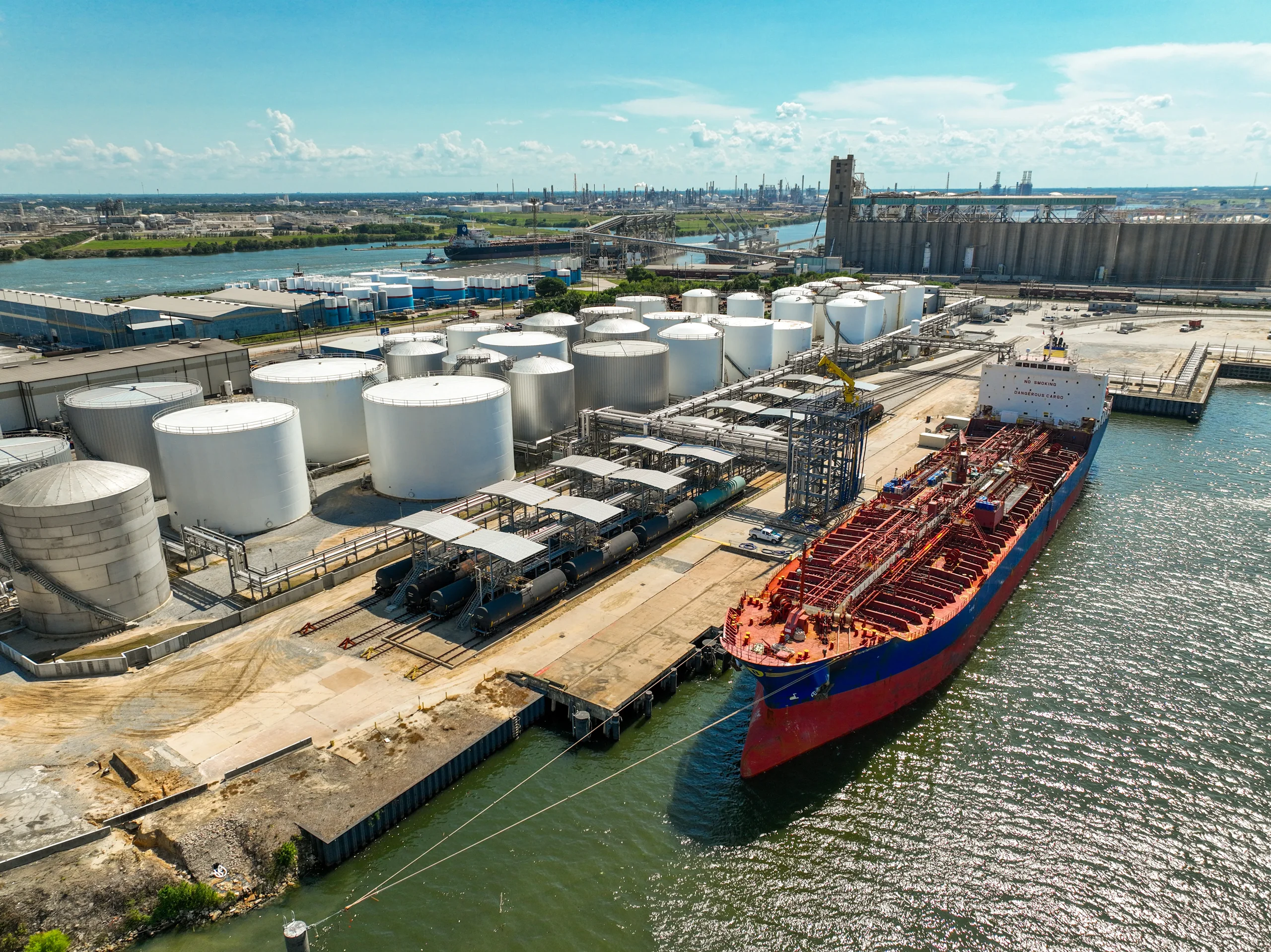
AS: The newly constructed dock at the Port of Stockton represents a major milestone for BWC and its customers in support of California’s efforts to modernise its energy infrastructure while advancing its decarbonisation goals. Built to fully comply with the latest Marine Oil Terminal Engineering and Maintenance Standards (MOTEMS), this is the first new MOTEMS-compliant dock constructed in California in over 30 years.
MOTEMS ensures that marine terminals handling oil and related products are designed to withstand seismic events and other environmental hazards, while also protecting workers from risks such as electrical faults and fire.
By meeting these standards, the new dock enables the safe and efficient marine transport of renewable fuels, reducing reliance on rail logistics.
This facility will serve as a critical gateway for importing and distributing renewable fuels across California, particularly to sectors that are difficult to electrify—such as agriculture, heavy-duty trucking, and industrial operations. By increasing access to cleaner alternatives like renewable diesel, the dock directly supports California’s efforts to cut greenhouse gas emissions and transition to a more sustainable energy future.
STM: What are the key features of the MOTEMS-compliant dock that make it the first of its kind built in decades in California?
AS: Over the years, ship length, capacity, and overall size have significantly increased, far surpassing the dimensions of older tankers. In response to these changes and evolving safety expectations, the MOTEMS have been updated to reflect modern seismic safety standards and stringent environmental regulations.
Our newly constructed dock is a direct response to these advancements. We are proud to be among the first in the last 30 years to build a completely new dock that is 100 percent MOTEMS compliant from the ground up.
MOTEMS allows for phased compliance, enabling operators to address deficiencies over time. However, because our dock is entirely new, it will meet the highest level of compliance from the moment it becomes operational. This ensures enhanced earthquake resistance and significantly reduces the risk of oil spills, setting a new benchmark for safety and environmental stewardship in marine terminal operations.
STM: How does the expansion of BWC’s Stockton Terminal support the renewable fuels industry and help reduce emissions from transportation?
AS: The expansion of our facility plays a key role in advancing the renewable fuels industry and reducing transportation-related emissions. By increasing our capacity to handle marine shipments, we can shift more product movement from rail to vessels, reducing the impact of trains in the community.
As we increase our reliance on shipping by vessel, we reduce the number of railcars passing through local communities. This not only lowers greenhouse gas emissions but also helps minimise traffic congestion, noise, and other environmental impacts associated with land-based transport.
In short, the expanded facility enables a cleaner, more efficient supply chain for renewable fuels—supporting both industry growth and our broader sustainability goals.
STM: With a 500 percent increase in your presence at the Port of Stockton over the past five years, what strategies have you implemented to accommodate this growth?
AS: Over the past five years, we’ve expanded significantly at the Port of Stockton, culminating in the completion of a state-of-the-art, MOTEMS-compliant dock. This reflects our proactive, customer-driven strategy—developing infrastructure to meet emerging market needs.
At Stockton, that meant building a safer, more efficient way to handle renewable fuels, fully aligned with California’s updated MOTEMS standards. Our strong partnership with the Port and support through CEQA permitting helped accelerate this progress.
Beyond infrastructure, we’ve prioritised community engagement, ensuring our growth brings real benefits—like job creation, economic development, and environmental stewardship.
STM: Can you discuss the role of local union construction workforce in the expansion of your Stockton Terminal and how it has contributed to your success?
AS: The expansion of our Stockton Terminal wouldn’t have been possible without the skilled local union workforce. Tradespeople from the San Joaquin Valley—welders, electricians, pipefitters, and more—have delivered high-quality work, helping us stay on schedule with minimal delays or rework.
This partnership not only ensures project excellence but also supports the local economy. By providing jobs close to home, we’re helping workers avoid long commutes, giving them more time with their families and improving their quality of life. Their dedication reflects the strength of our commitment to the community.
STM: What specific expansion plans do you have for your facilities in Manchester, TX and how do these plans align with your overall growth strategy?
AS: BWC is continually seeking opportunities to grow our business organically by identifying the needs of our customers, both existing and new. Our strategy is to determine what our customers need, understand their requirements, and identify the location that can best serve them. We then design a system or retrofit an existing one to meet those needs. The customer dictates what is most suitable, and we find the best solutions accordingly. For instance, we are currently constructing tanks at our Manchester facility to meet a customer’s identified need to enhance their access to marine facilities and improve their ability to load barges and ships.
STM: How does BWC differentiate itself from competitors in the storage and logistics sector, particularly in terms of flexibility and customer service?
AS: This willingness to be flexible, combined with our ability to invest capital to enhance our assets and solve customers’ problems, is a significant factor that encourages clients to recommend BWC above the competition.
We view customer relationships as collaborative, avoiding a zero-sum mentality. In a competitive market, we know it’s challenging to maintain customers without a unique product, but we believe our exceptional customer service sets BWC apart. We promptly address issues and ensure our team handles customer interactions properly. Ultimately, our success relies on strong relationships with both employees and customers, and satisfied clients often lead to new business opportunities.
STM: How does the approach of your leadership team and the culture of BWC impact decision-making?
AS: The collaborative nature of our leadership and organsational culture plays a pivotal role in shaping how decisions are made. By fostering a sense of shared responsibility and accountability from top to bottom, we create an environment where diverse perspectives are not only welcomed but actively sought out.
This inclusive approach encourages team members at all levels to contribute their ideas and insights, leading to more well-rounded and effective decision-making. The variety of viewpoints enhances our ability to develop innovative solutions that are both practical and forward-thinking.
Moreover, this culture of collaboration builds trust, promotes open communication, and reinforces mutual respect. It empowers individuals to speak up, challenge assumptions, and engage in meaningful dialogue—ultimately driving higher engagement, morale, and a stronger sense of ownership.
In essence, our leadership style and culture are deeply intertwined, creating a supportive environment that values transparency, inclusivity, and collective success.
STM: Can you share some examples of how BWC is actively engaging in sustainability and ESG initiatives within its operations?
AS: We view sustainability from a business perspective. BWC’s goal is to accurately report on metrics that are important to both our business and our shareholders. Consistent and verifiable reporting is crucial. While we haven’t set specific targets yet, we aim to improve and reduce our impact across various areas of social, environmental, and governance considerations, aligning with good business decision-making.
For example, replacing old boilers with more efficient steam generators reduces costs and emissions. Switching from fluorescent to LED light bulbs saves electricity and reduces waste. Solar projects are evaluated for reliability rather than chasing arbitrary reduction targets. BWC’s approach ensures we act in the best interest of our shareholders and are responsible stewards of the resources entrusted to us. We strive to be more efficient and minimise our environmental impact, including emissions, spills, and waste disposal. These actions are simply good business practices.
STM: Looking ahead, what are your long-term goals for BWC in terms of renewable fuel storage and logistics, and how do you envision contributing to the energy transition?
AS: Our goal for BWC is to continue growing the company both organically and inorganically, to better serve our customers and create partnerships where we become an integral part of their supply chain. We are product agnostic, meaning we are here to serve our customers rather than target specific products. We operate within the confines of our permits and handle only what we are allowed. We have not set, nor will we set, targets for handling renewable fuels or reducing petroleum products. Our focus is on being good stewards, servicing our customers, and storing the products they need in a responsible, environmentally compliant manner.
BWC is committed to being part of the energy transition, regardless of its duration. As long as there is a need for liquid fuel products, we will play an integral role in that transition, whether it lasts 10, 15, or 30 years. We will continue to support the traditional end of the energy spectrum, as not everything will transition at once. There will still be a need for liquid products, even those from the past, well into the future. Our assets are flexible and can transition from product to product. BWC’s focus is on geography and access to modalities, ensuring we have physical assets in locations important to our customers and can meet their needs, whether by rail car, truck, or marine. www.bwcterminals.com.
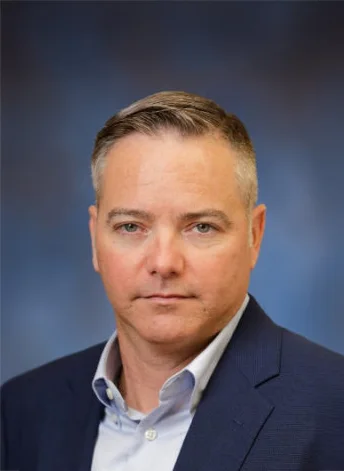
Adam Smith, president & CEO of BWC Terminals